How can I best track Google PMAX data?
If Google PMAX feels like a black box and you no longer know which ads are really performing or just wasting your budget, then it's time to consider a labeling tool.

Performance Max campaigns offer high automation and cross-channel reach, but present marketers with a central challenge: limited transparency of performance data. By default, PMAX provides KPIs such as conversions, ROAS or CPA without allowing detailed insights into product, attribute or delivery logics.
For well-founded optimisation, this reporting is often insufficient. To track PMAX data meaningfully, it is necessary to look at performance not just at the campaign or asset group level, but to systematically structure and evaluate product data. Precise tracking works best with a labelling tool, such as the Labelizer from Label Up.
This article shows how PMAX tracking currently works well, where the limits of classic approaches lie and how a product data labelling tool, such as the Labelizer from Label Up, enables a significantly deeper analysis and management of PMAX campaigns.
Why does Google PMAX data tracking pose a challenge?
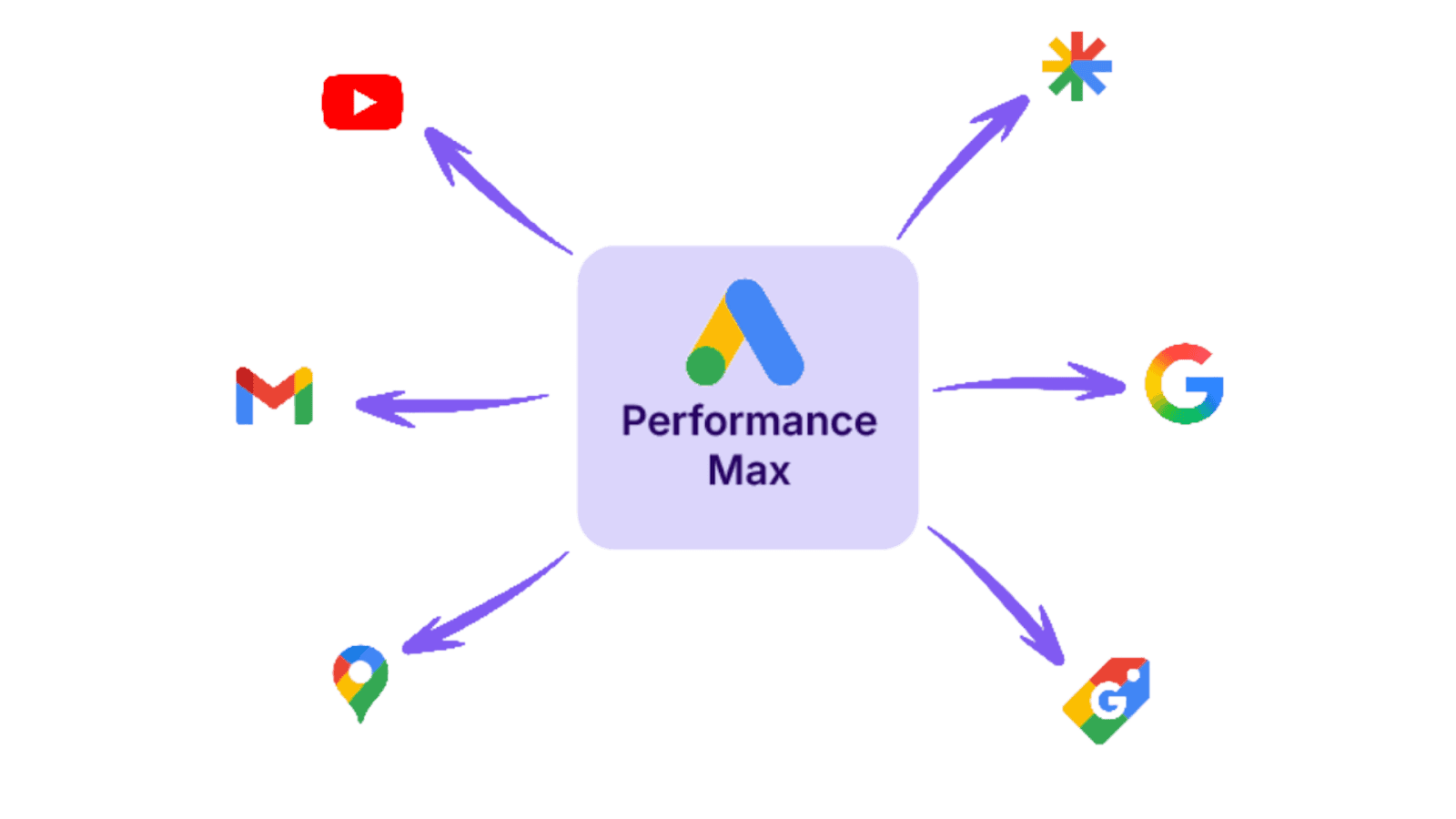
Tracking Performance Max campaigns is limited because Google deliberately provides only limited insights into the underlying delivery and decision-making logic. PMAX bundles multiple channels such as Search, Shopping, Display, YouTube and Discovery into a single campaign, without reporting the performance of these channels separately.
Additionally, key information is unavailable or only available in highly aggregated form, including:
the specific weighting of individual channels
the performance of individual products within an asset group
the influence of specific product attributes on conversions
Instead of granular data, advertisers primarily receive outcome KPIs such as conversions, conversion value or ROAS. While these metrics show the result of the campaign, they do not provide any explanation of which factors within PMAX contribute to the performance.
This makes targeted optimisation more difficult. Decisions are often based on assumptions or tests with limited significance, as PMAX does not provide a sufficient data basis to directly analyse product or attribute effects.
What data is available in Google PMAX and what is not?
Performance Max provides advertisers with a limited selection of performance data, which is primarily outputted on an aggregated level. The metrics available by default include, among others:
Conversions and conversion value
Costs, CPA and ROAS
Clicks and impressions
Asset group performance in a highly simplified form
This data allows for an evaluation of the overall performance of a PMAX campaign, but not a detailed analysis of the underlying performance drivers.
Not available, among other things, are:
channel-related performance data (e.g. Search vs. Shopping)
product-related evaluations at the attribute level
information on which product types or attributes influence conversions
Particularly with large product feeds, it remains unclear which products or product attributes actually contribute to performance. The existing data provides a result, but no context for well-founded optimisation decisions.
Source: Label Up Result Check 2025, internal data collection analysis, evaluation period January to September 2025.
Why is classic PMAX data not enough?
Classic KPIs such as ROAS, CPA or conversion value solely reflect the end result of a Performance Max campaign. They do not provide information on how this result came about or which components of the campaign significantly contribute to the performance.
In particular, answers are missing to the following questions:
Which products are preferred for delivery?
Which products generate revenue, but no profitability?
Which product attributes correlate with a high conversion probability?
Which products consume budget without a significant contribution to performance?
Since PMAX makes decisions automatically based on numerous internal signals, looking purely at outcome KPIs is not enough to make targeted optimisations. Adjustments are often made at the campaign or asset group level, even though the actual performance differences arise at the product level. Without additional structuring of the data, PMAX optimisation remains reactive. Decisions are based on aggregated key figures instead of reliable information on the actual performance drivers within the product feed.
How does a labelling tool help to measure PMAX data?
To solve the problem of non-transparent data in Google PMAX, marketers use complicated scripts as a solution. With the Labelizer from Label Up, data tracking is resolved transparently and, above all, in a user-friendly way. The Labelizer was developed to evaluate performance data from Google Shopping and PMAX campaigns in a more structured way. The goal is to enrich product feeds with additional, business-relevant information without altering the existing feed.
To achieve this, the Labelizer uses Google Custom Labels 0–4, which are linked to a supplemental feed in the Google Merchant Center. This makes it possible to look at campaign performance not just at the campaign or asset group level, but to analyse it along defined product attributes. The automation of Google PMAX remains fully preserved, while the data basis for analysis and optimisation is significantly expanded. Additionally, the dashboard in the Labelizer App offers a user-friendly overview of all data.
Conclusion: How do you secure data sovereignty in Google Shopping in the long term?
PMAX campaigns deliver reliable performance metrics, but offer only limited transparency over the underlying performance factors. Classic KPIs such as ROAS or CPA show results, but do not allow for a well-founded analysis of the causes behind the performance.
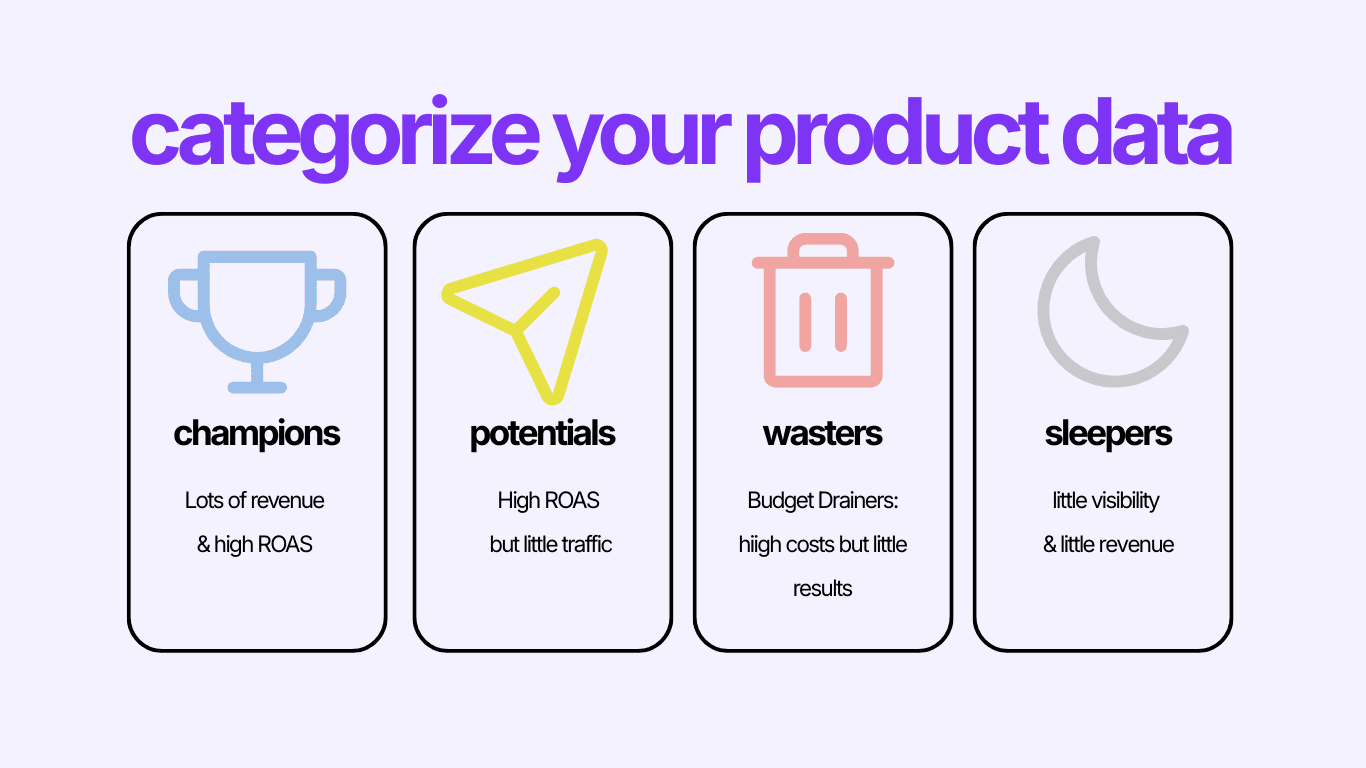
Meaningful PMAX tracking therefore requires an additional structural layer at the product level. Product data labelling tools allow performance data to be evaluated along business-relevant criteria such as price level, margin or product status. The Labelizer systematically provides this structure, thereby creating the foundation for not just measuring PMAX data, but targeting, interpreting and utilizing it. On this basis, data-driven decisions become possible that go beyond pure outcome observation and support the sustainable optimisation of Performance Max campaigns.
This guide was created by the e-commerce experts at Label Up. We support agencies and shops in running their own comparison shopping service (Google CSS) and optimizing their Google Shopping campaigns in a data-driven way.
About

Label Up is a tech provider from Vienna that helps agencies and shops achieve better results with its own Google Shopping CSS and smart label-based optimization.

Other topics