>
>
Google Shopping Ads in Bosnia & Herzegovina 2026: The Guide for Agencies and Shops
Google Shopping Ads in Bosnia & Herzegovina 2026: The Guide for Agencies and Shops
A milestone for e-commerce in the Balkans is approaching: Google Shopping Ads will officially be available in Bosnia and Herzegovina in November 2026. For the first time, companies will have the opportunity to place their products at the top of Google search results through visual, highly relevant listings. Early operational preparation is the crucial factor in securing market shares ahead of the competition.

The EMEA Expansion: 15 New Markets for Google Shopping
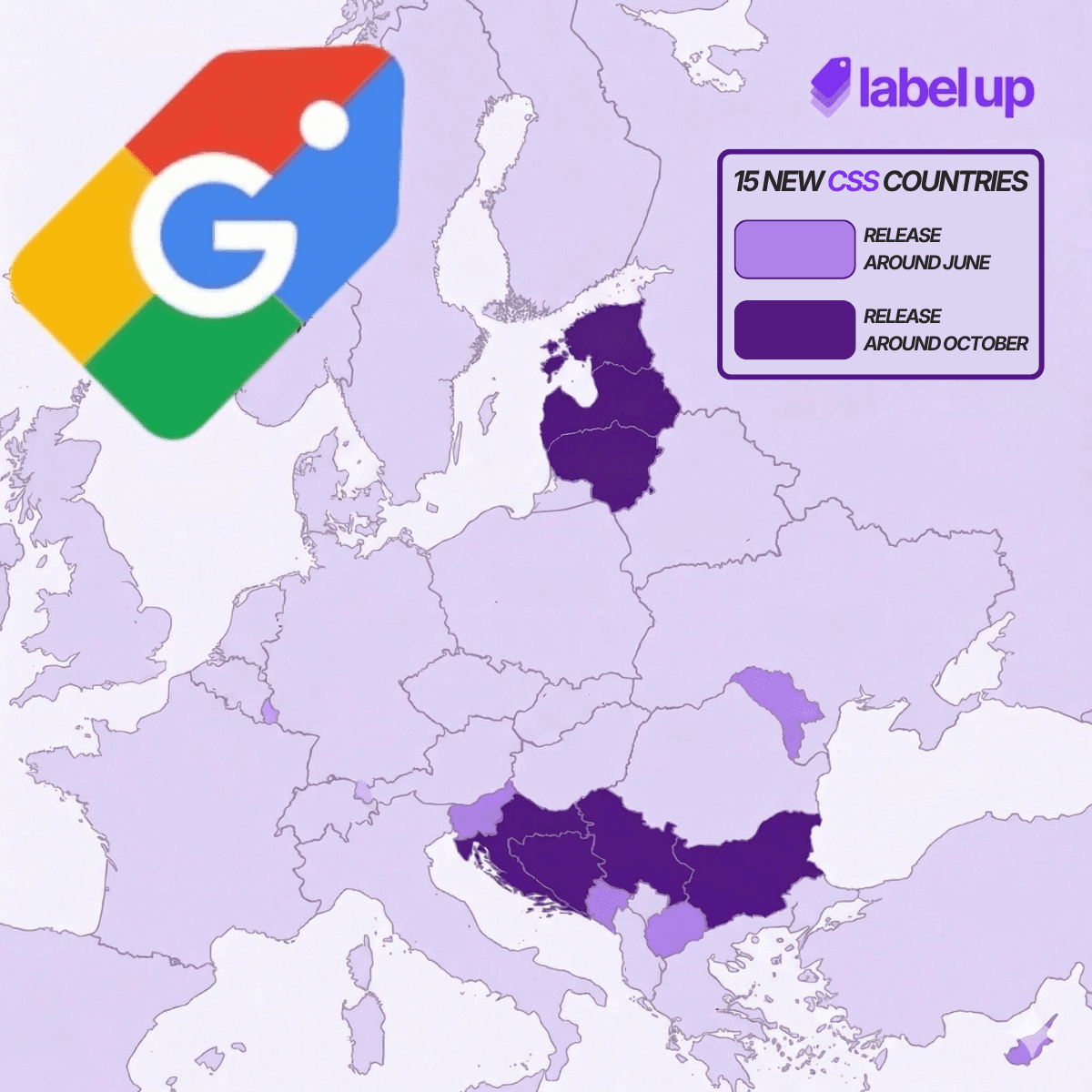
The rollout in Bosnia & Herzegovina is part of a large-scale infrastructure initiative by Google in the EMEA region (Europe, Middle East, Africa). In total, Google Shopping Ads will be launched in 15 new markets in 2026. For brands and agencies, this expansion offers a rare opportunity to scale in regions where auction density is extremely low at the beginning, leading to highly efficient click prices.
The 15 new markets include, among others:
Southeast Europe & Balkan: Bosnia & Herzegovina, Serbia, Croatia, and Slovenia.
Mediterranean Region: Malta and Cyprus.
Baltics: Lithuania, Latvia, and Estonia.
From a strategic standpoint, this simultaneous launch allows for tremendous scalability. Those who master the technical infrastructure for a market like Bosnia & Herzegovina can transfer this setup almost identically to the other 14 markets. This enables a geographical diversification of the advertising budget away from saturated markets towards high-growth regions with significant potential in visual e-commerce.
Technical Readiness: Localization for BAM and Multilingualism
Google Shopping Ads are data-driven ad formats based on a product feed in the Google Merchant Center. Unlike text ads, the quality of the product data determines visibility here. For the Bosnian market, retailers must demonstrate technical precision in two core areas:
Currency Localization (BAM)
Google will fully support the Convertible Mark (BAM). An error-free feed requires that the prices in the Merchant Center exactly match the final prices at the online shop's checkout. As pricing discrepancies lead to immediate rejections by Google, an automated synchronization of currency data is essential.
Multilingual Feed Structure
Bosnia & Herzegovina is a linguistically diverse market. To achieve maximum reach in cities like Sarajevo, Banja Luka, or Mostar, feeds should ideally support the local linguistic variants. Professional localization of product titles and descriptions ensures that ads are displayed according to specific linguistic nuances in search queries. Those who forgo mere standard translation and instead use localized attributes significantly enhance relevance in the algorithm.
Strategic Niche Dominance in the Bosnian Market
The Bosnian e-commerce market is experiencing steady growth in mobile transactions and digital payment systems. Google Shopping Ads cater perfectly to this user behavior, as they provide all purchase-relevant information at a glance.
For local retailers, the launch presents the opportunity for "Niche Mastery." While large international marketplaces often require time to adapt their global strategies to the specific needs of Bosnia & Herzegovina, local providers can leverage their deeper market knowledge. By precisely segmenting the product range (e.g., by margin strength or stock levels), the budget can be targeted where the highest conversion probability exists.
The Infrastructure Leverage: The CSS Model in Bosnia & Herzegovina
A Google CSS (Comparison Shopping Service) is the technical infrastructure through which shopping ads must be served in the EMEA region. This is a regulatory requirement to ensure fair competition in search results.
Retailers have two options when starting in Bosnia & Herzegovina:
Google Shopping Europe (Standard): The entry via Google's own service is straightforward but includes an internal margin of about 20% on each bid. Thus, only 80% of the budget effectively goes directly into the auction.
Own Keyword CSS (Strategic Advantage): Professional players use an own Keyword CSS. This eliminates the 20% margin, allowing the full bid to go into the auction. This creates an immediate competitive advantage through higher bidding power with the same budget.
Additionally, the Keyword CSS provides a massive branding advantage: the ads show not the note "By Google," but the own brand name or a freely chosen keyword. In a market that is just discovering shopping ads, this is a crucial factor in building trust and increasing click-through rates (CTR).
Operational Guide: How to Google Shopping Ads Bosnia & Herzegovina
To be visible as a first mover by the planned launch date in November 2026, the operational implementation should follow this plan:
1. Merchant Center Configuration
Create a dedicated Google Merchant Center for Bosnia & Herzegovina. Specify the specific tax rules as well as the local shipping and return conditions in BAM. An exact alignment of these parameters is the fundamental prerequisite for feed approval by Google.
2. Feed Preparation and Localization
Export your product data into the Bosnian feed. Ensure the correct use of currency BAM and the linguistic optimization of the titles. Use Supplemental Feeds to refine attributes specifically for search behavior in Bosnia & Herzegovina, without altering the data structure of your main shop.
3. CSS Connection and Technological Advantage
The final step is connecting the Merchant Center with the appropriate CSS infrastructure. This step is crucial for bid efficiency and visibility of your brand. To leverage this technological advantage without internal development effort immediately, Label Up offers the turnkey solution for an own Keyword CSS. This ensures that from the first second, 100% of your bidding power is effective in the market and your brand authority is cemented with individual branding under each ad.
Conclusion: Leverage the Time Advantage in Sarajevo and Beyond
The launch of Google Shopping in Bosnia & Herzegovina in Q4 2026 is a strategic window that opens only once. The combination of high data quality in the Merchant Center and a margin-efficient CSS strategy forms the foundation for success. Those who now initiate operational preparation secure a dominant position in one of the most exciting growth markets in the Western Balkans.
FAQs about the Google Shopping Launch in Bosnia & Herzegovina
When exactly does Google Shopping Ads start in Bosnia & Herzegovina?
The official start date is set for November 2026. This will integrate the market just in time for the busiest sales phase of the year.
What currency must be used in the product feed?
All price indications must be provided in the Convertible Mark (BAM). Precise alignment with the shop checkout is essential for ad approval.
Why is having an own Keyword CSS advantageous for the launch?
In the EMEA region, using a CSS is mandatory. An own Keyword CSS (like that by Label Up) eliminates Google's 20% bidding margin, increases reach, and allows for the prominent placement of the own brand name under the ad – a crucial factor for customer trust.
About

Label Up is a tech provider from Vienna that helps agencies and shops achieve better results with its own Google Shopping CSS and smart label-based optimization.

Other topics