Google Shopping Ads Launch in Estonia: All Information for Agencies and Shops
New benchmarks for e-commerce in Estonia: By 2026, the Google Shopping expansion will reach the Baltic state and fundamentally transform e-commerce. In Tallinn and Tartu, traditional text links will give way to highly visual product cards directly at the top of search results. Those who leverage this technological milestone early will secure valuable market shares in one of the most advanced digital nations in the world, just in time for the 2026 Christmas shopping season.
The continental Google Shopping expansion: 15 new markets in sight
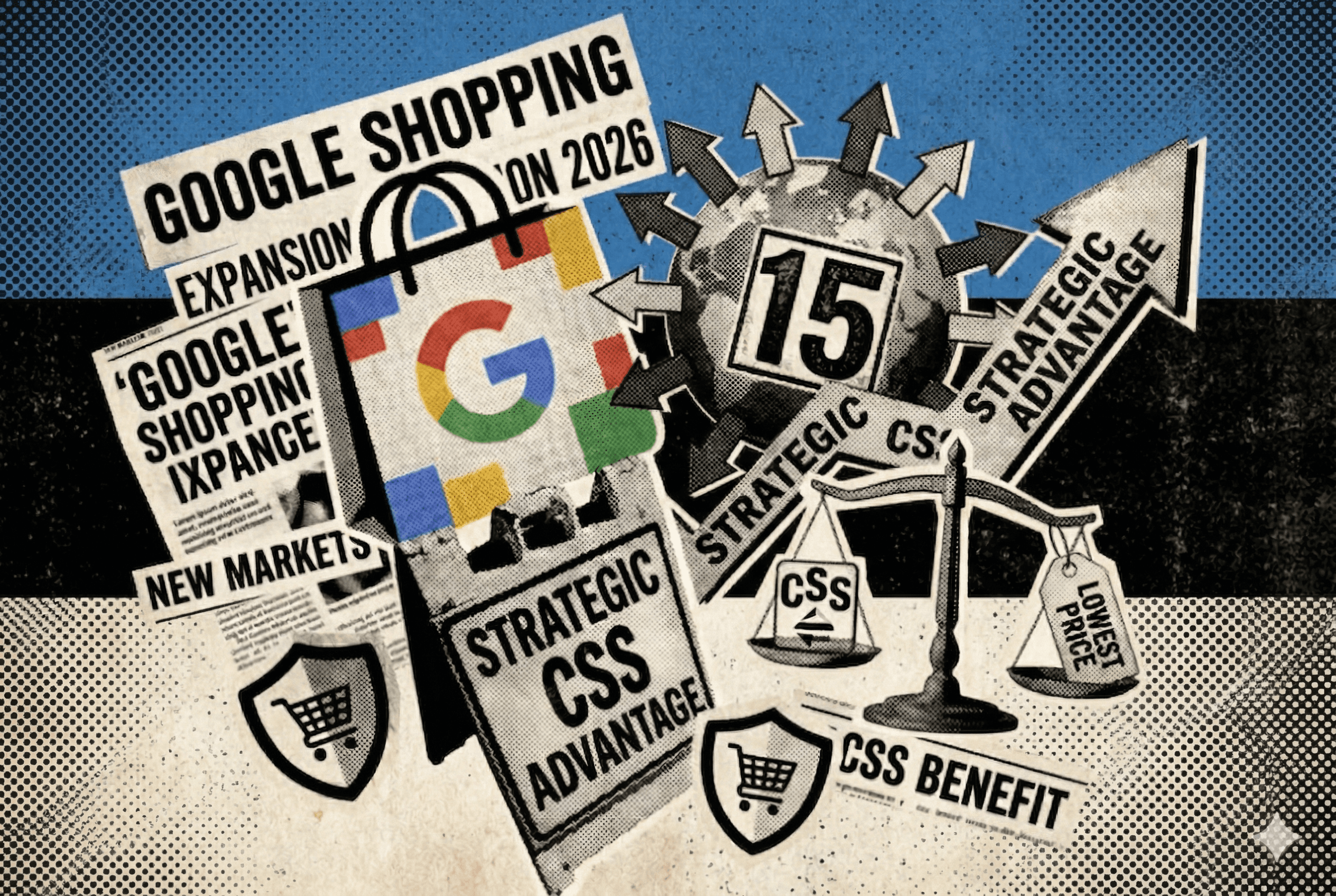
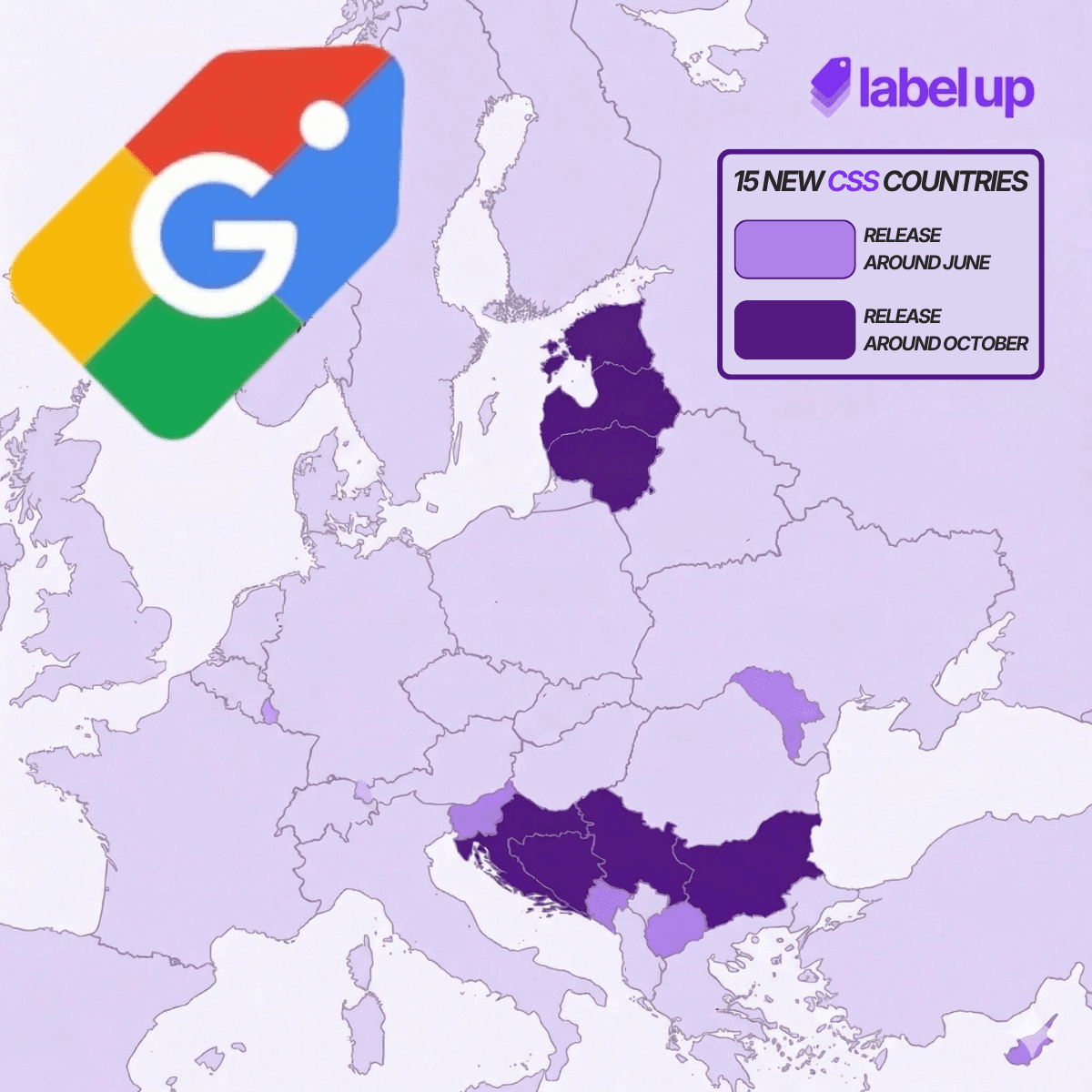
The market launch in Estonia is not an isolated event, but part of an unprecedented infrastructure offensive by Google within the EMEA region (Europe, Middle East, Africa). A total of Shopping Ads will be launched in 15 new countries by 2026. For export-oriented companies and agencies, this rollout represents a rare opportunity to capture market shares in regions where the auction density is minimal at the start.
The expansion occurs in strategic waves:
Bundle 1 (July 2026): This includes Malta, which will be one of the first new markets to go live.
Bundle 2 (November 2026): Estonia launches along with other growth markets such as Serbia and Croatia.
Strategically, this simultaneous launch allows for highly efficient scaling: those mastering the technical requirements for Estonia can seamlessly transfer the operational logic to the other 14 markets. This enables a geographical diversification of the advertising budget away from saturated Western European markets towards digital pioneers like the Baltics.
Digital-First in Tallinn: Why Google Shopping is changing the market in Estonia
Estonia’s e-commerce landscape is shaped by a tech-savvy population and a seamless digital culture. However, the search for products in Estonia has primarily been limited to text ads until now. With the introduction of Google Shopping, the search results page (SERP) transforms into a visual storefront.
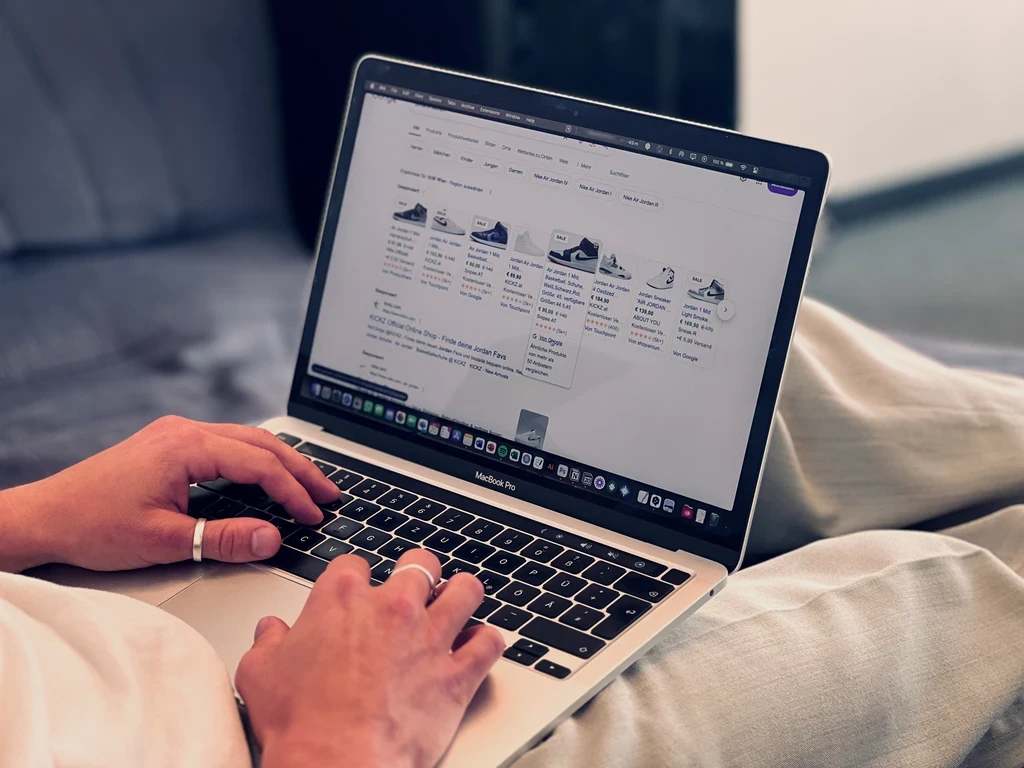
A search for terms like "nutikell" (smartwatch) or "eesti disain" (Estonian design) will trigger a series of interactive product cards in the future. These cards contain the product image, price, and brand name at the absolute top position of the page. In a market that heavily relies on mobile devices and fast digital decisions, this format offers a significantly higher click-through rate (CTR) than traditional text links. Local shops can cement their brand awareness directly in the sight of ready-to-buy users.
Technical Foundations: Product data excellence for the Estonian market
Success with Google Shopping is the result of technical precision. Unlike traditional search ads, the dissemination of Shopping Ads is based on a structured data feed in the Google Merchant Center. For the Estonian market, retailers must precisely address two technical core areas:
Currency and language (EUR & Estonian)
Estonia is a core member of the Eurozone, which is why the Euro (EUR) is the mandatory currency basis for all feeds. Since Google strictly checks the consistency of data, prices in the Merchant Center must be absolutely identical to the prices in the webshop checkout. Additionally, Google will fully support the Estonian language. Excellent localization of product titles and descriptions is essential to ensure semantic relevance in the algorithm and reduce the cost per click (CPC) through a high-quality factor.
Data quality and automation
With the launch in Estonia, advertisers gain full access to retail-optimized Performance Max (PMAX) features. For Google’s AI to work effectively, the quality of the feed is crucial. High-resolution images and accurate attributes (such as GTINs) enable the algorithm to optimally place products across Search, YouTube, and Display. In a digitally advanced market like Estonia, technological data integrity is the most important lever for profitability.
Structural Superiority: Why the Google CSS from Label Up makes the difference
To run Google Shopping Ads in the EMEA region, the use of a Comparison Shopping Service (CSS) is legally mandated. At this point, Label Up provides the crucial technological infrastructure to not only participate in the market but to lead it operationally. Retailers face a strategic directional decision:
Google Shopping Europe (Standard): Entry through Google’s own service involves an internal margin of around 20% on each bid. This means an immediate efficiency loss in every auction.
Keyword-CSS by Label Up (Expert solution): Professional players rely on the Keyword-CSS from Label Up. This eliminates Google’s 20-percent margin, allowing the full budget to flow directly into bidding strength.
Another advantage is branding: Undercutting ads in Estonia will not show the label "From Google," but rather the retailer’s brand name or a freely chosen keyword. In a tech-focused market, this massively boosts user trust and ensures a professional differentiation from the very first moment.
Operational Roadmap: Going live in Estonia in 3 steps
To unleash full market potential in the fourth quarter of 2026, the operational implementation of this clear sequence should be followed:
1. Merchant Center Setup for the Baltics
Firstly, it is necessary to set up a dedicated Google Merchant Center for Estonia. Local tax regulations and the specific shipping and return policies must be precisely recorded in EUR. A clean configuration ensures that the algorithm accepts the feed without delay.
2. Feed Localization and Optimization
In the second step, the preparation of product data takes place. The focus is on the Estonian language and accurate attribute assignment. The use of supplemental feeds is recommended to refine titles and descriptions specifically for the search behaviour in Tallinn and the surrounding areas, without interfering with the global data structure.
3. CSS Connection and Technological Edge
The final step is to link the Merchant Center with the appropriate technical infrastructure. This step determines whether 20% of the budget is lost as a fee or invested directly in reach. To leverage this technological lever immediately without internal development efforts, Label Up offers the turnkey solution for their own Keyword-CSS. This ensures that from the very first second, 100% of the bidding power reaches the market, and brand authority is cemented under every ad through individual branding.
Conclusion: Utilize the first-mover advantage in digital Estonia
The official launch of Google Shopping in Estonia at the end of 2026 is a strategic opportunity that only presents itself once. The combination of high data quality in the Merchant Center and a margin-efficient CSS strategy via Label Up forms the foundation for success. Those who initiate operational preparation now will secure a dominant position in time for the peak season in one of Northern Europe's most exciting growth markets. Speed combined with technical precision is the central winning formula here.
FAQs about the Google Shopping launch in Estonia
When exactly does Google Shopping Ads launch in Estonia?
Estonia is part of "Bundle 2" of the EMEA expansion. The official launch date is set for the fourth quarter (Q4) of 2026, just in time for the Christmas business.
Why is a Google CSS via Label Up an advantage in Estonia?
Having your own Keyword-CSS from Label Up eliminates the 20% bidding margin retained by Google Shopping Europe. In a newly opened market like Estonia, this means an immediate increase in bidding power by 25%. Additionally, Label Up allows the placement of your own brand name directly under the ad. This builds massive trust in a digitally savvy market, increases the click rate, and ensures professional differentiation from competitors who only use the standard path.
How does Google Shopping help local retailers against international giants?
Through prominent visual placement, specialized local retailers can appear directly next to or even above large international platforms. This "Niche Mastery" approach allows smaller businesses to intercept willing buyers through high relevance and local reliability.
About

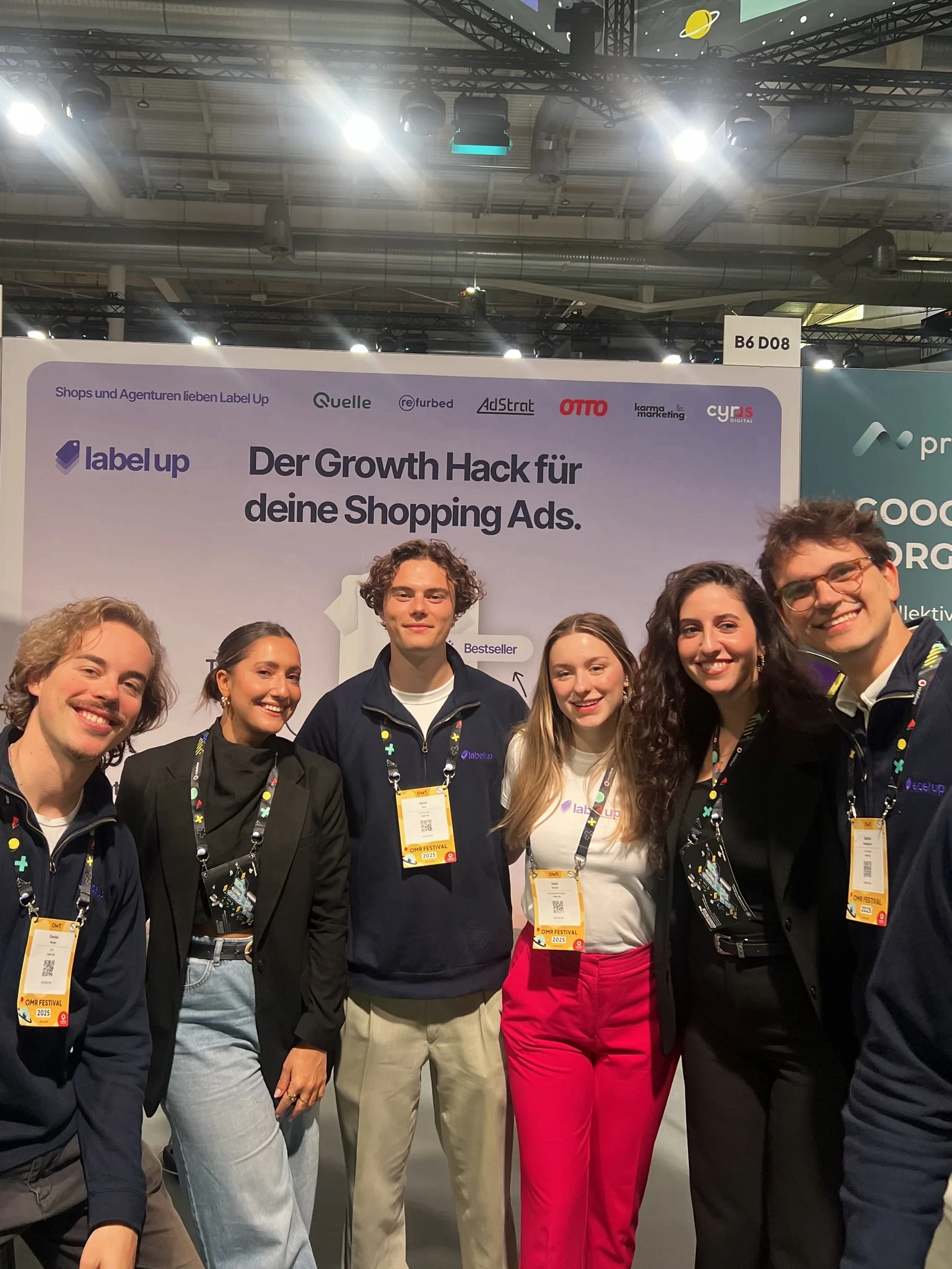
Label Up is a tech provider from Vienna that helps agencies and shops achieve better results with its own Google Shopping CSS and smart label-based optimization.

Other topics