>
>
Google Shopping Ads in Serbia: The Guide for Agencies and Shops for the 2026 Rollout
Google Shopping Ads in Serbia: The Guide for Agencies and Shops for the 2026 Rollout
In November 2026, Google Shopping Ads will officially launch in Serbia. For online retailers in Belgrade, Novi Sad, and the entire region, this means a transition from purely text-based search ads to a visually dominated sales space. Since the launch coincides exactly with the high-revenue period before Black Friday and the Christmas shopping season, precise operational preparation is crucial to convert the low click prices of the initial phase into sustainable market shares.
What you should know before the Google Shopping launch in Serbia:
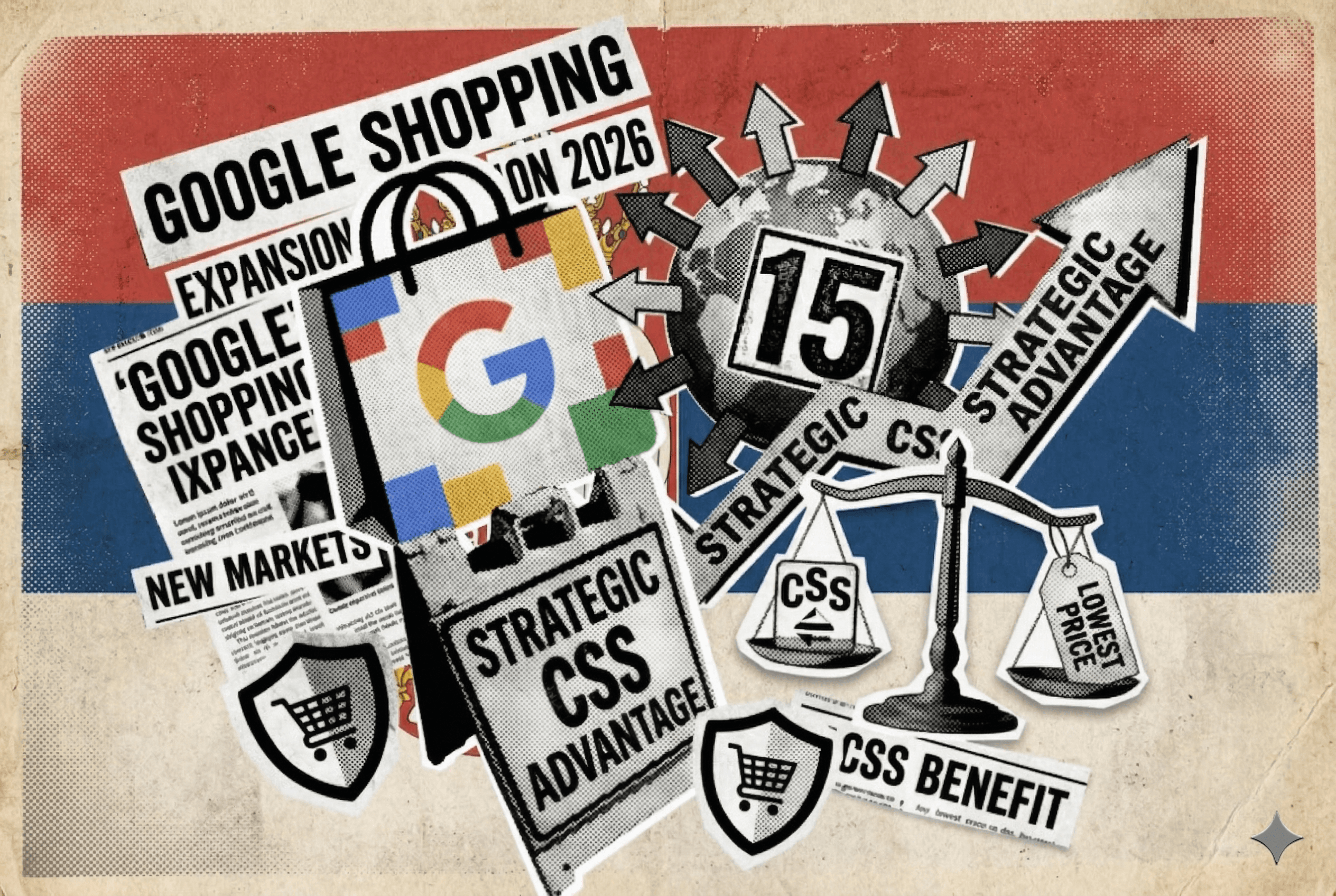
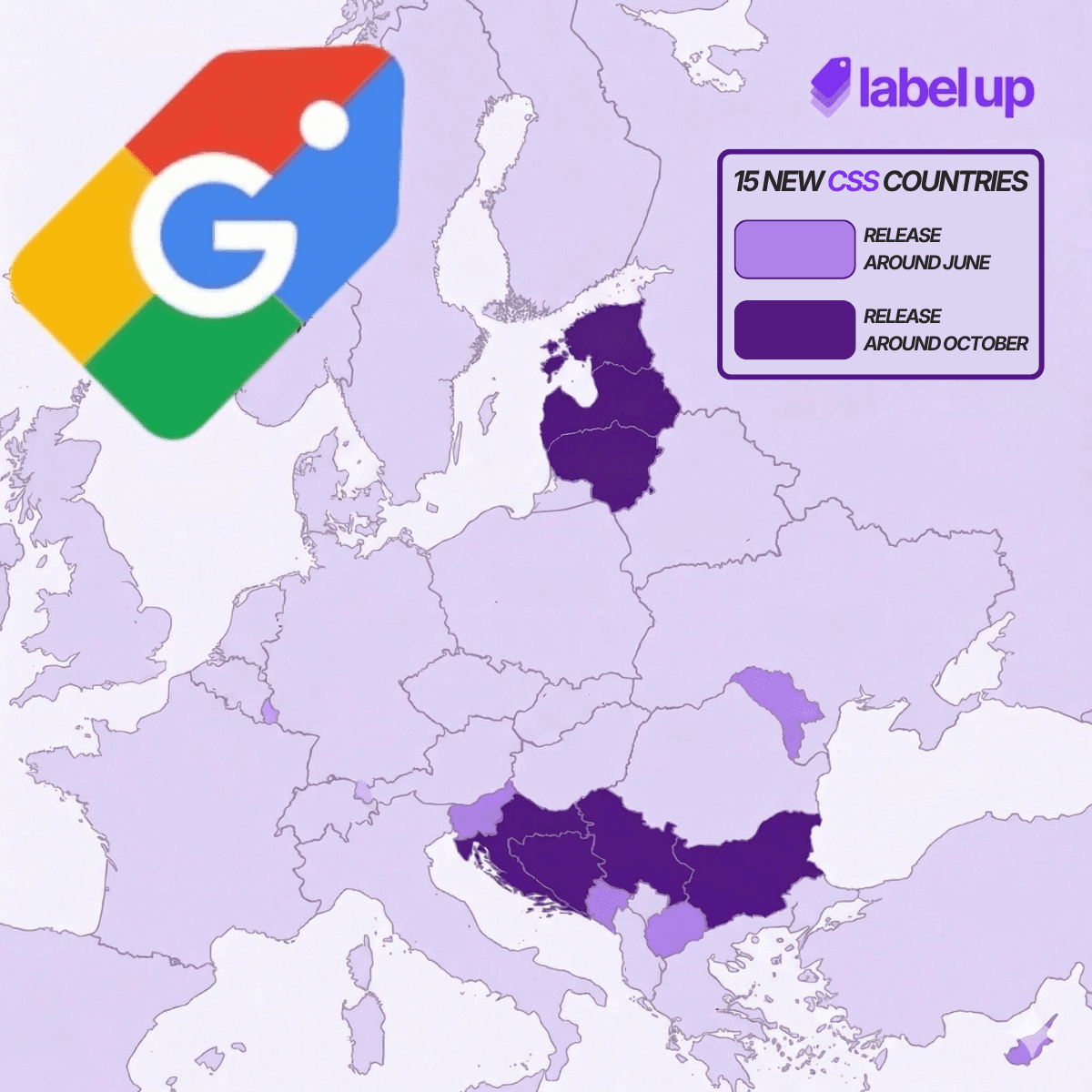
The rollout in Serbia is not an isolated project, but part of a large-scale expansion by Google in the EMEA region (Europe, Middle East, Africa). By 2026, Shopping Ads will be launched in 15 new markets. For export-oriented businesses and agencies, this expansion offers the opportunity to build a cross-border infrastructure before competition drives up auction prices.
The countries included in this wave of expansion include, among others:
Southeast Europe: In addition to Serbia, markets such as Croatia, Slovenia, and Bulgaria will be fully integrated into the shopping ecosystem.
Mediterranean Markets: Markets such as Malta and Cyprus will also gain access to the visual search network.
Baltic States: Lithuania, Latvia, and Estonia will complete the rollout.
From a strategic standpoint, this simultaneous launch in so many regions allows for enormous scalability. Those who master the technical setup for Serbia can efficiently transfer this logic to the other 14 markets and thereby geographically diversify their advertising budget. This is particularly valuable to reduce dependency on highly competitive Western markets and instead invest in regions with high growth potential.
Technical Requirements: Product Data as a New Ranking Factor
In the world of Google Shopping Ads, it is no longer primarily the chosen keyword that determines the display, but the quality and relevance of the provided product feed. A product feed is a structured data file that transmits all relevant information of an assortment (image, price, title, availability) to the Google Merchant Center.
For the Serbian market, two core technical elements must be precisely aligned:
Currency and Localization (RSD & Language)
Unlike its EU neighboring countries, the Serbian Dinar (RSD) is the primary currency for local trade in Serbia. Google will launch with full native support for RSD and the Serbian language.
Currency Compliance: All prices in the feed must be expressed in RSD to be allowed in the local auction.
Linguistic Precision: Product titles and descriptions should be professionally translated into Serbian. As the Google algorithm analyzes semantic relationships, high linguistic quality leads to better ad rankings and lower cost per click.
Data Structure in Merchant Center Next
The Google Merchant Center serves as a bridge between the online shop and Google Search. A clean data structure is essential for success in Serbia. This includes the use of correct GTINs (Global Trade Item Numbers) and high-resolution images. In a market where Shopping Ads are new, consumers particularly respond to visual stimuli. A flawless, professional presentation is the most important signal of trust here.
Strategic Niche Dominance in the Serbian Market
So far, Serbian e-commerce has often been shaped by large regional online marketplaces and portals such as “KupujemProdajem”. Google Shopping Ads fundamentally change this power structure. Through the prominent placement of products at the top of the search, specialized niche providers can bypass the brand awareness of the “large players” and convince directly through the product offering.
This concept of “Niche Mastery” is particularly effective as Serbian consumers increasingly shop on mobile devices. Shopping Ads are natively optimized for mobile use and provide all purchase-influencing information at a glance. Those who categorize their products early into logical performance clusters—such as segmentation into top performers and low-margin items—can use their budget extremely efficiently in the initial launch phase.
The Choice of Infrastructure: The Google CSS Model as a Profit Leverage
A Google CSS (Comparison Shopping Service) is the technical platform through which shopping ads must be displayed in the European Economic Area and adjacent EMEA markets. This is a regulatory necessity to ensure fair competition in Google Search.
When entering the Serbian market, retailers face a strategic choice:
Google Shopping Europe (Standard): The entry via Google’s own service is simple but has a crucial disadvantage: Google retains an internal margin of about 20% on every bid. This means that from a 100 RSD bid, only 80 RSD actually flows into the auction.
Own Keyword CSS (Efficiency Model): Professional players use their own keyword CSS. This eliminates the 20% margin, allowing the full budget to flow into the auction. This leads to an immediate increase in reach at unchanged costs.
Another advantage of the keyword CSS is branding. Under the ads in Belgrade or Novi Sad, there will be no mention of “By Google”, but rather the retailer’s own brand name or a freely chosen keyword. This increases the click-through rate (CTR) and can lead users to their own price comparison page if needed, generating additional free traffic.
Operational Guide: How to Google Shopping Ads in Serbia
To achieve maximum visibility as a first mover in November 2026, implementation should follow this plan:
1. Merchant Center Configuration
The first step is to create a dedicated Google Merchant Center for Serbia. Here, the specific Serbian tax regulations and local shipping and return conditions must be set. Accurate alignment of these parameters is a prerequisite for Google to approve the feed.
2. Feed Optimization for the Serbian Market
The next step is the preparation of product data. The focus here is on the currency RSD and the Serbian language. It is advisable to specifically optimize attributes such as titles and descriptions for local search behavior in Serbia. Using supplemental feeds allows these optimizations to be made without altering the data structure of the main shop.
3. CSS Connection and Technological Advantage
The final step is linking the Merchant Center with the appropriate CSS infrastructure to unlock access to the shopping auction. This step is crucial for the long-term profitability of the campaigns. To implement this technological leverage immediately without internal development efforts, Label Up offers a turnkey solution for its own keyword CSS. This ensures that from the very first second, 100% of the bid reaches the market and that brand authority is cemented through individual branding under each ad.
Conclusion: Take Advantage of the Timing in Serbia
The official launch of Google Shopping in Serbia in Q4 2026 is a unique opportunity to capture market share before competition reacts. The combination of high data quality in the Merchant Center and a margin-efficient CSS strategy forms the foundation for success. Those who initiate operational preparation now will secure a dominant position in one of the most exciting growth markets in Southeast Europe.
FAQs about the Google Shopping Launch in Serbia
When exactly does Google Shopping Ads start in Serbia? The official start date is set for November 2026, integrating the Serbian market in time for the high-revenue period of the year (Black Friday/Christmas).
Which currency should be used in the Serbian product feed? All price information must be provided in Serbian Dinar (RSD). An automatic conversion by Google should be avoided to ensure price precision.
Why is having a dedicated keyword CSS advantageous for launching in Serbia? A dedicated keyword CSS eliminates the 20% bidding margin from Google, increases bidding power, and prominently allows placing the retailer’s brand name under the ad—a crucial factor for trust in a new market.
About

Label Up is a tech provider from Vienna that helps agencies and shops achieve better results with its own Google Shopping CSS and smart label-based optimization.

Other topics